 | |||||||||||||||||
A note from Napper  I like creative businesses partly because belief matters in them. Someone hears a record, sees a performance or meets an artist and thinks there’s something here. They can be wrong, of course. But I’d hate to build a business in which the only ideas that get examined are the ones that arrive with the tidiest paperwork. I want better technology to help people follow through on a belief, find out when it’s misplaced and occasionally take a worthwhile risk they couldn’t previously assess. That’s the work we’re exploring at Atlas Studios, and through this letter. Each edition has an essay from one of us, five things from across the web we think are worth your time, and one question for you. This first essay is mine.  | |||||||||||||||||
The essay · Culture   Napper Tandy · 4 min read For years I’ve worked to help people marry their creative talents with action and organisation. The prosaic side of the work is as important as the romantic side. I believe it more now, and AI is a big part of why. Taste can’t be copied into software, but nearly everything around it can now be run by systems. When it is, creative people get their time back, and with it the room to think laterally and try again. Read the essay → | |||||||||||||||||
 | |||||||||||||||||
 Each one read in full by one of us. The initials say who picked it.
 Twenty-two launches in one keynote, most of them aimed at developers. Read past the API notes and four things change for anyone who makes, sells or stages creative work. Our take 01 Making got cheaper again GPT-6.1 Sol comes close to OpenAI’s top model at a fifth of the price. Concepts, cut-downs and versions cost less every quarter. 02 The work around the work Dots are always-on agents for ongoing jobs like launch coordination and content production: the operation around taste, running all week. 03 A shopfront inside ChatGPT Plugin extensions put full apps inside ChatGPT, distributed by OpenAI. Catalogues, tickets and archives can meet fans where they already ask. 04 Room for unreleased work Private Intelligence, in preview, promises tighter control of your data on frontier models. The one rights-holders should watch.  Watch · The Every Podcast Dan Shipper’s first Every Podcast: Sam Altman on how he uses dots to take back his time, and why he thinks AI starts a new Renaissance.
 His first post on X, written after an artist friend asked whether AI animation meant the end of her job. Read the post on X →  The DreamWorks co-founder, now backing an AI animation start-up, argues artists should bargain for credit, consent and pay rather than refuse the tools. Read it next to Joseph Clark, below: two serious positions pointing opposite ways.
 A clear case for ‘no AI’ as a creative position rather than a fear, and the protest film that went viral saying so. Read on Creative Boom →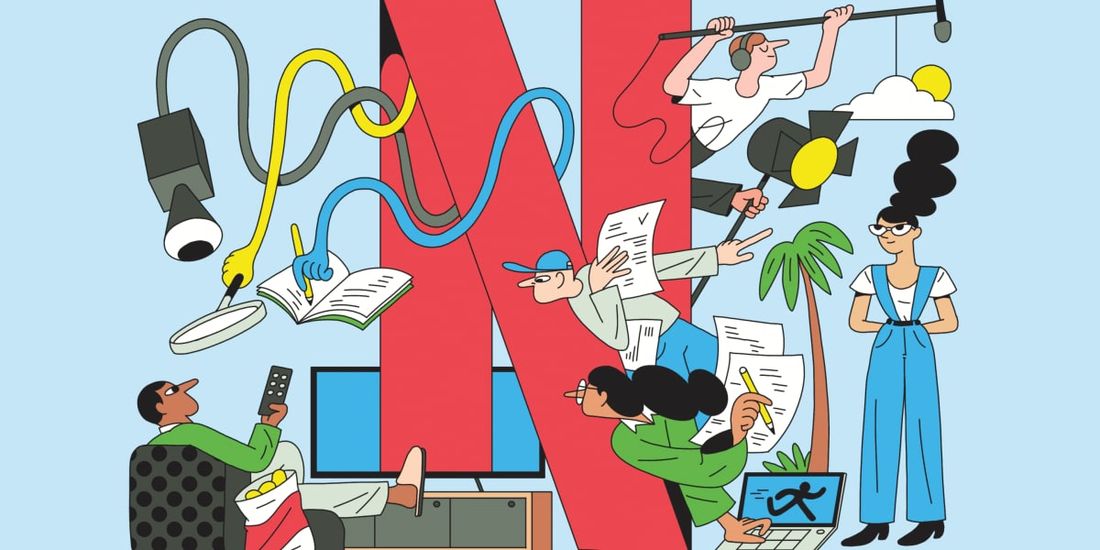
 How one of the biggest buyers of content talks about its own AI use: discovery, ads and production tools, with human creative control kept at the centre. Read on Fortune →
 The first appeals-court word on AI training and fair use. The case wasn’t about generative AI, but it hands rights-holders a stronger card in licensing talks. Read on MBW →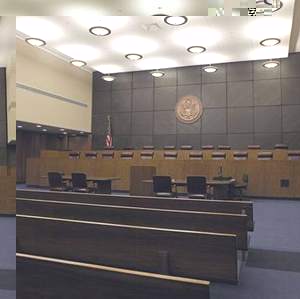 | |||||||||||||||||
Your turn  Reply to this email, or answer in the comments on LinkedIn. A few lines is plenty. P.S. On Tuesday 20 October, everyone who reads Field Notes gets the Field Kit: free Claude skills built for creative businesses. If someone you work with should have it, forward them this. | |||||||||||||||||
Pass it on  Know someone who runs a label, an agency, a management company or a live business? Send them your link. Three sign-ups gets you first access to the next Field Kit skills. Share your link →{{rp_refer_url}} | |||||||||||||||||
 First published on atlasstudios.ai. Field Notes is written by Napper Tandy, Kieran Mallon and Abdo El-Mobayad at Atlas Studios, applied AI for the creative industries. Forwarded this? Sign up at atlasstudios.ai/field-notes. Napper invests at the frontier of AI through Principia (Anthropic, xAI, Replit). We say so whenever we cover them, and never write about valuations, rounds or share prices. Privacy notice. |